1921 Vote
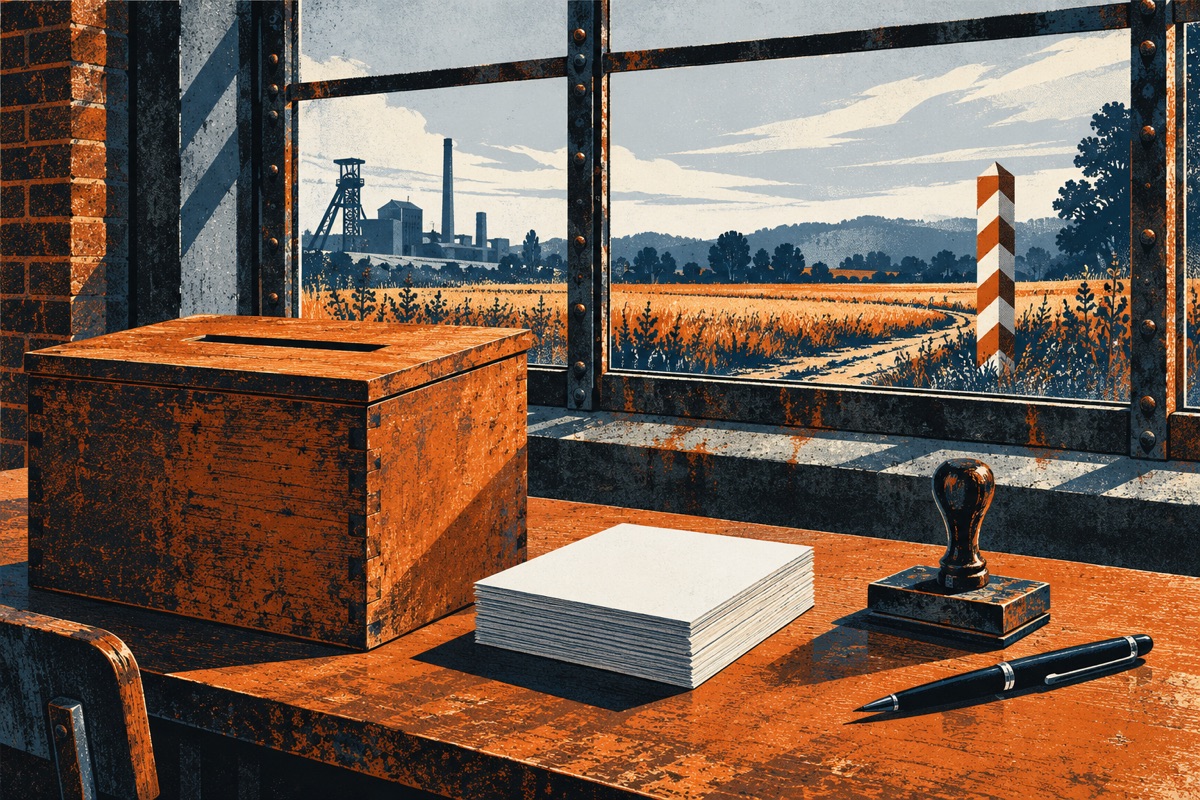
Who was allowed to vote on March 20, 1921, how did the result turn out, and why did the border not simply follow the distribution of votes?
Keep readingHistory and Culture
The year 1742 is often used as the starting point for accounts of Upper Silesian history. After the Silesian Wars, most of Silesia then belonged to Prussia. This shift of borders shaped the later development of the whole region.
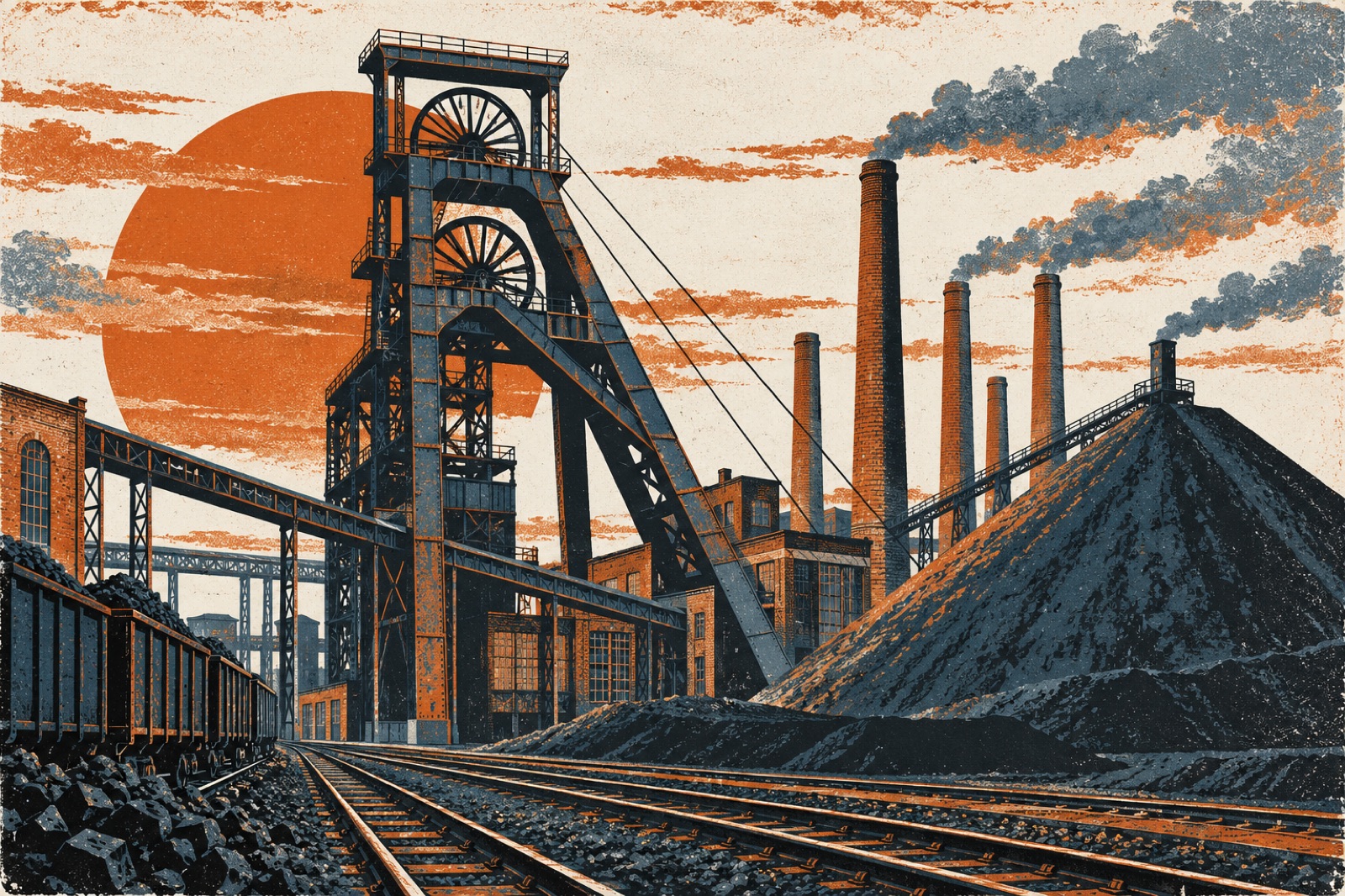
Upper Silesia (Polish: Górny Śląsk) is a historic landscape on the upper Oder. Today it lies mostly in Poland, in the Silesian and Opole voivodeships. This page gives an overview of the region and points to subpages on the main topics.
Who was allowed to vote on March 20, 1921, how did the result turn out, and why did the border not simply follow the distribution of votes?
Keep readingFoundry in Gleiwitz, Guido Mine, Tarnowitz and Nikiszowiec: places where industrial history can be seen in person.
Keep readingKattowitz and Katowice, Hindenburg and Zabrze: how place names arose, changed and can be read in old sources.
Keep readingSt. Barbara's Day, the pilgrimage to Annaberg, beef rolls with dumplings, dialect and Familoki as traces of a shared history.
Keep readingPurpose, editorial approach and notes on the sources of this independent resource.
Keep readingBelonging to Prussia since 1742 influenced administration, the economy and everyday life. In the nineteenth century the region developed into one of the great industrial areas of Europe. Hard coal, zinc, lead and iron formed the basis of this boom. Towns and settlements grew up around the mines and ironworks. Another important turning point was the plebiscite of March 20, 1921. The subpage on the 1921 vote describes its course and its significance for the history of Upper Silesia. It presents the events factually and stays neutral on contested historical questions.
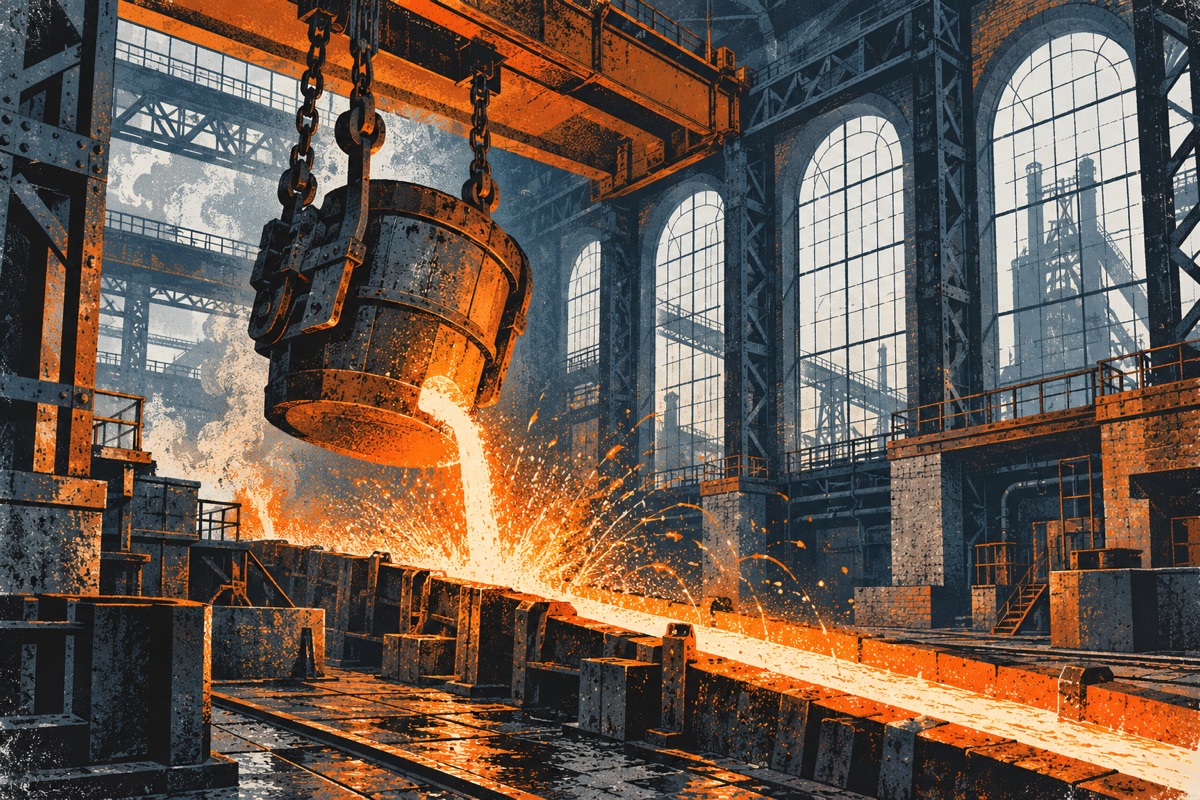
Industrial heritage still shapes the look of the region today. One example is Tarnowskie Góry (Tarnowitz): its silver mine, together with its water management system, was added to the UNESCO World Heritage List in 2017. The listing underlines the historical and cultural value of the former mining. On the subpage on industrial heritage you can learn how industry shaped the development of towns and the lives of their residents.
The culture of Upper Silesia emerged from the interplay of Polish and German influences. This is especially clear in the place names. Many places have two historical name forms, one Polish and one German. Katowice, for example, is called Kattowitz in German. The subpage on place names explains where these different names come from and how to read them in old sources. The page on customs and traditions focuses on the region's folk culture. It is a part of the culture that has stayed alive despite changing borders and administrations.
This independent resource serves information purposes only and is not affiliated with any organization. It has five subpages: the 1921 vote, industrial heritage, place names, customs and traditions, and the project page. The last one explains the aims of the site and how the articles are produced. You can go straight to a single topic or read the articles in order to get an overview.
The subpages invite you to get to know the history and culture of Upper Silesia more closely. They show a region where industry, borders and languages have been closely intertwined for centuries.
These links point to subjects unrelated to our own topic and are offered as extra suggestions for readers.
breton culture
Breton culture rests on a Celtic language, a strong musical life and a coastline full of legends. Festivals, crafts and local costumes keep the traditions of Brittany visible to this day.
interdisciplinary arts festival
An interdisciplinary arts festival brings music, theater, visual art and performance together under one program. Audiences move between genres and often meet artists from very different fields.
scottish clan history
Scottish clans trace their identity to shared ancestry, a hereditary chief and a home territory in the Highlands or Lowlands. Tartan patterns and clan gatherings continue to express that sense of belonging.
yorkshire industrial heritage
Mills, mines and steelworks once made Yorkshire one of the busiest industrial regions in Britain. Today restored buildings and canal paths let visitors see how that working past looked.
event calendar for website
An event calendar for a website lists upcoming dates in a clear grid or list so that visitors can plan ahead. Good ones offer filters by category, date and location.
australian indie music
Independent music from Australia grew in pubs, on community radio and through small labels far from the big record companies. The result is a wide range of guitar pop, folk and electronic sounds.
hardware product design
Designing a hardware product means shaping the housing, the controls and the internal layout of a physical device. Prototypes and user tests help find a form that is both practical and pleasant to hold.
bahai writings
The Bahai writings include prayers, letters and books attributed to the founders of the Bahai Faith. Readers meet themes of unity, justice and the shared spiritual roots of the world's religions.
kuala lumpur neighbourhoods
The districts of Kuala Lumpur include business areas, old Chinatown streets and quiet residential quarters. Walking between them reveals Malay, Chinese and Indian influences in food, shops and architecture.
front wheel drive mopar
Front wheel drive cars from Mopar brands, such as small Dodge and Plymouth models, have a loyal following among collectors. Owners swap advice on engines, restoration and rare parts.
portland radio
Radio in Portland covers independent stations, college broadcasts and long-running public programs. Listeners tune in for local music, news and talk shows rooted in the city.
lincoln county wyoming
Lincoln County lies in the western part of Wyoming, a landscape of valleys, rivers and mountain ranges. Ranching, hunting and outdoor sports shape the rhythm of life for its residents.
christian rock music
Christian rock music mixes electric guitars and driving drums with lyrics about faith and hope. Bands in this field perform at concerts, festivals and church events across many countries.
real estate development
Developing real estate involves buying land, securing permits, arranging financing and overseeing construction. The finished project may be homes, shops or mixed-use buildings that change a neighborhood.
pcs move checklist
Families preparing a PCS move can follow a checklist that sorts tasks into the weeks before departure, moving day and arrival. It helps keep orders, medical records and school paperwork from being forgotten.
fractal art
Fractal art starts from mathematical equations that repeat their patterns at ever smaller scales. Artists choose colors and zoom levels to turn the resulting shapes into striking pictures.
family history research
A family tree grows by linking names, dates and places found in historical records. Researchers learn to compare sources carefully, since spellings and details can differ from document to document.
dalits in nepal
The Dalit communities of Nepal have faced long-standing social exclusion tied to the traditional caste order. Campaigns for education, legal equality and fair representation continue to shape public debate.
offshoring and globalization
The offshoring of jobs and the wider process of globalization change where goods are made and who gets hired. Films and studies on the topic often compare lower prices with the loss of local work.
net art
Net art is created for the internet itself, using websites, code, social platforms and digital images as its medium. It emerged in the 1990s and keeps changing as technology moves forward.